01
Active thread
AI agent systems
I design bounded, tool-using agents that can plan, take action, inspect reality, and recover when the path changes.
Seattle, WA
I design AI agents, orchestrated workflows, and intelligent automations that turn intent into dependable outcomes.
System online · select a node to inspect the workflow.
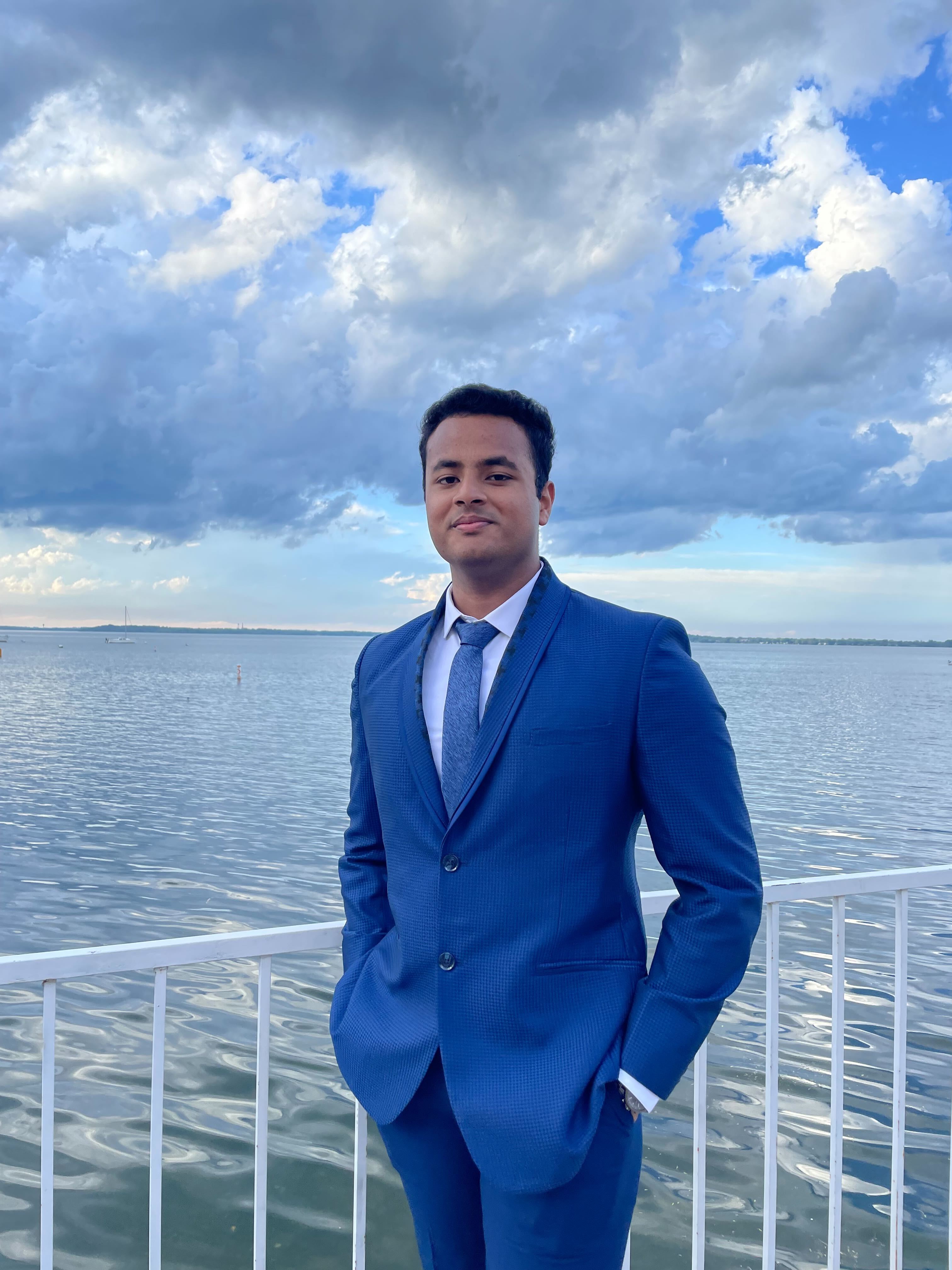 43.0731° N / 89.4012° W
01 / About
I'm an AI engineer based in Seattle. I started by building apps, data products, and cloud systems; now I design AI agents, intelligent workflows, and the software that makes them dependable.
I'm pursuing my M.S. in Computer Science at Georgia Tech, specializing in Artificial Intelligence. I care about what happens after the demo: context, tool design, evals, observability, and the human judgment that turns a capable model into a useful system.
02 / Current focus
I'm interested in the software beyond a single model or chat box: designed systems of context, tools, agents, feedback loops, and human judgment.
I design bounded, tool-using agents that can plan, take action, inspect reality, and recover when the path changes.
I combine deterministic automation with adaptive reasoning so recurring work becomes faster, clearer, and more resilient.
I'm reworking the development loop around clear intent, capable agents, measurable evals, and ownership of the outcome.
I'm building new agentic case studies now. I'll share them when there is real work to show—clear architecture, honest constraints, and evidence that the system performs.
03 / Published research
Before the current shift to agentic systems, I helped build scientific software for high-throughput cryo-electron tomography—where orchestration, observability, and reliable pipelines were already essential.
I co-authored this work on a modular processing pipeline that wraps motion correction, IMOD commands, and machine-learning approaches for GPU-aided computing—helping microscopy facilities evaluate incoming data and generate preview tomograms faster.
DOI · 10.1093/micmic/ozad067.357
04 / Shipped work
Products, experiments, and hackathon builds from my software-development chapter. These are the systems that taught me to ship across web, mobile, cloud, data, and machine learning.
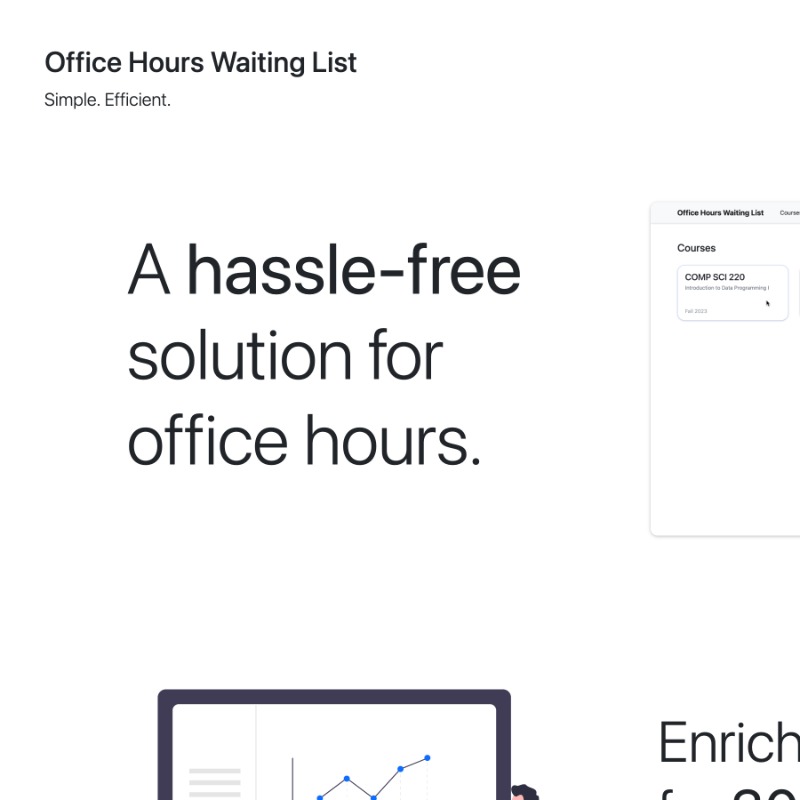 Used by 500+ students & instructors
A focused digital queue that made university office hours easier to run for both students and instructors.
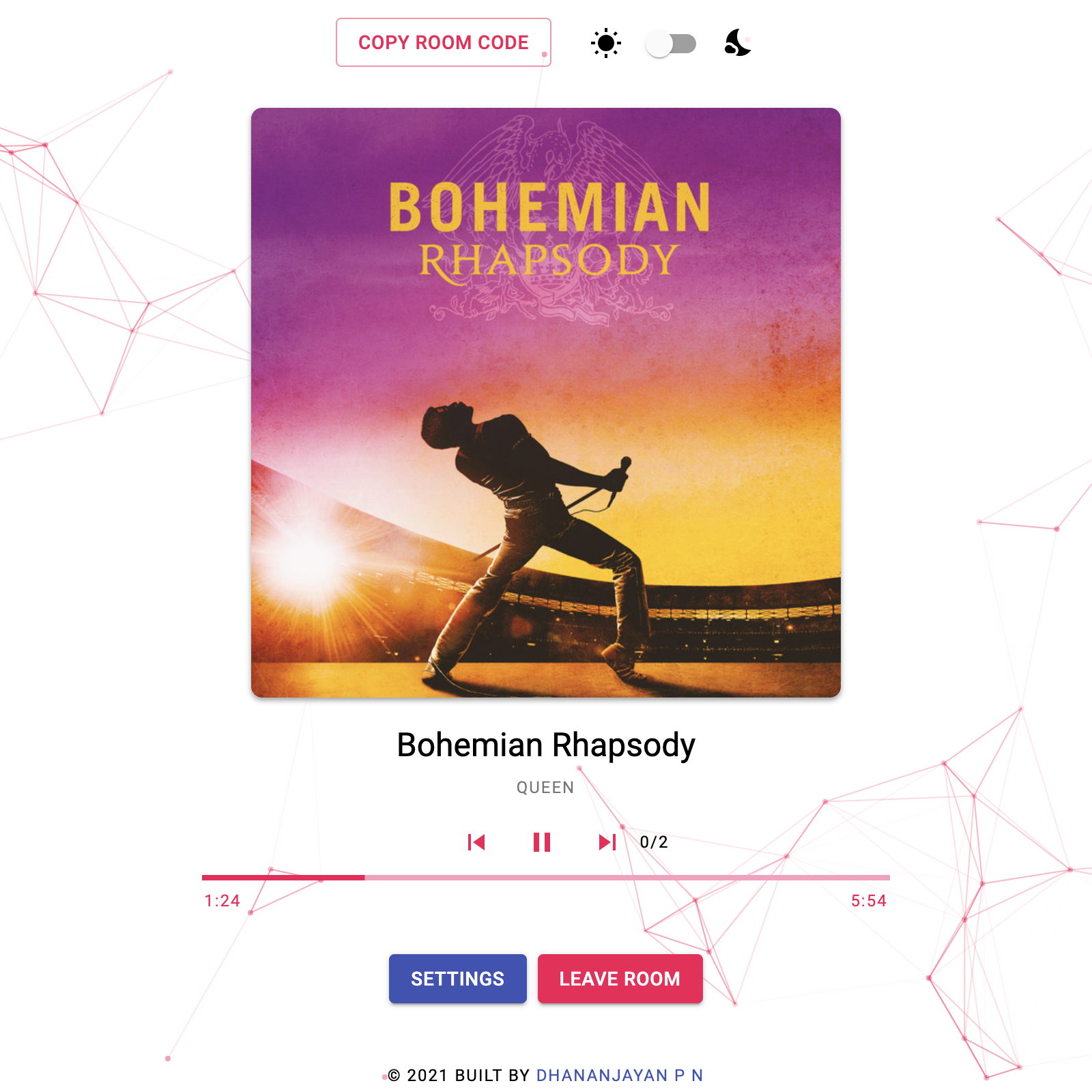
 IBM hackathon · 1st place
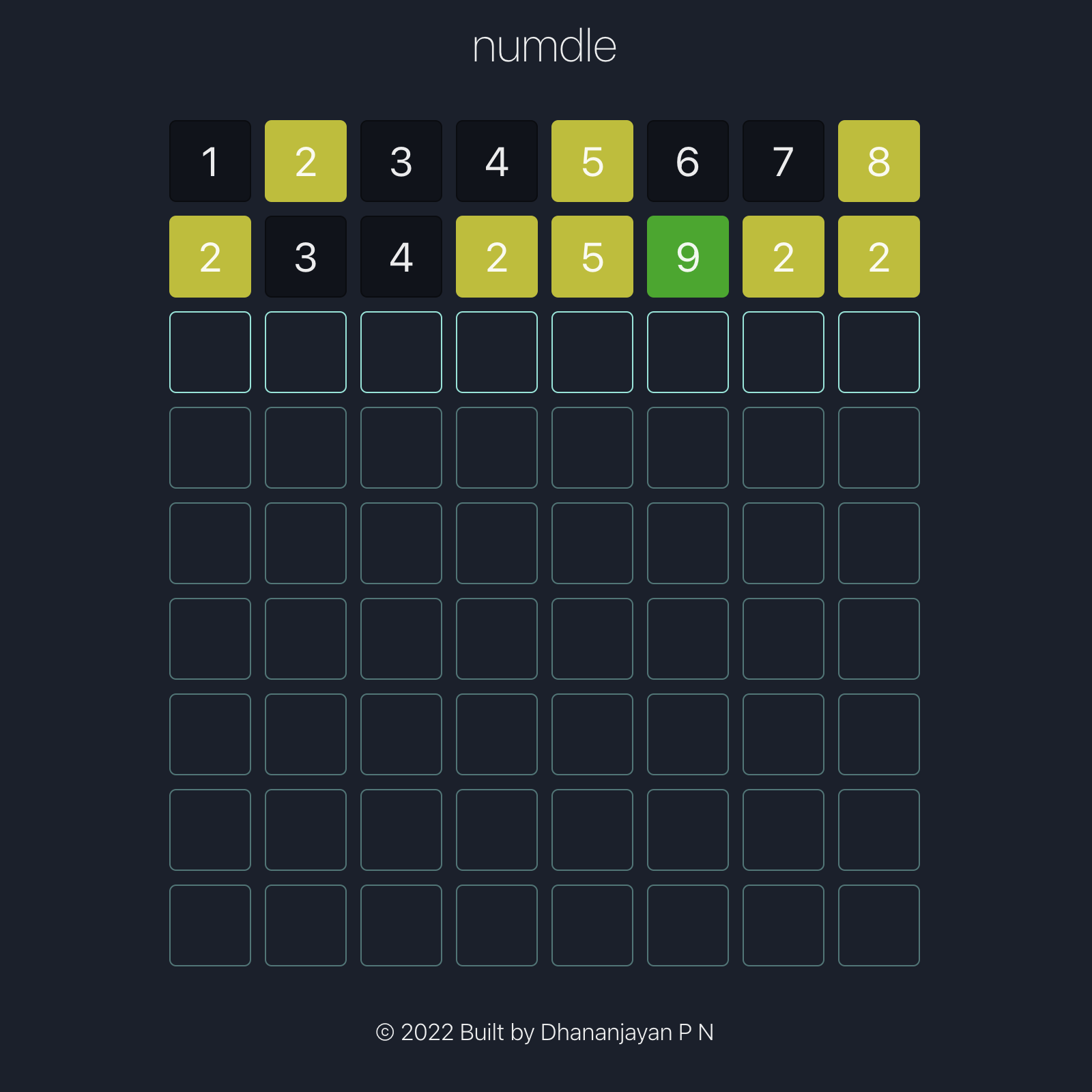
A daily number challenge—a compact web puzzle designed around quick logic and clean interaction.
Project archive
Experiments across mobile, desktop, accessibility, and utilities
A practical audio-recording utility built and shipped for Android.

A virtual assistant designed to make the world more accessible for visually impaired people.

A voice-led Android assistant experiment built to explore conversational utility.
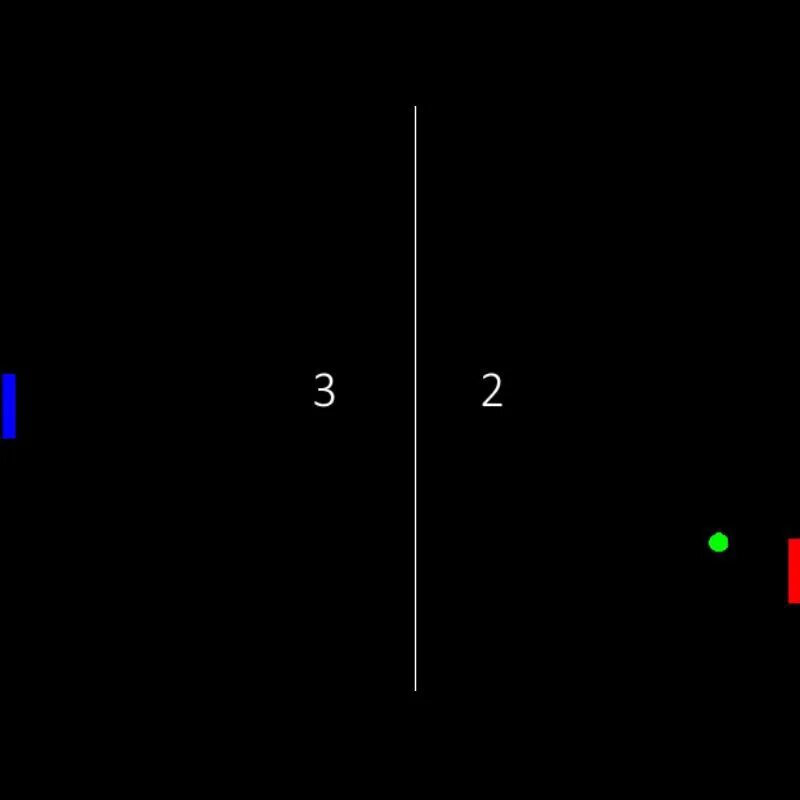
A desktop arcade game and an early exercise in interactive Python development.
A desktop application that models a simple digital voting flow.

A desktop application for learning and modeling everyday banking workflows.
05 / Notes from the build
I wrote these practical notes during my earlier web and mobile chapter, and I'm keeping them here as part of the path.
Open channel
If you're working on AI agents, intelligent automation, research, or an ambitious problem,
I'd love to hear about it!